Categories
suitu tautastērps

Suitu brunči

Brunči (lindruki, lindūki)

Lindruki bija sieviešu ikdienas apģērba gabals, kuru nēsāja tieši virs krekla.  Parasti tas bija darināts no vilnas vai pusvilnas auduma un tikai darba vajadzībām to reizēm darināja no nātna.  Suitu lindruki audumā ir vienmuļi, ne strīpaini, ne rūtaini, tikai mazliet kā “akotaini”, īsām pārtrauktām svītriņām, skujiņām. 

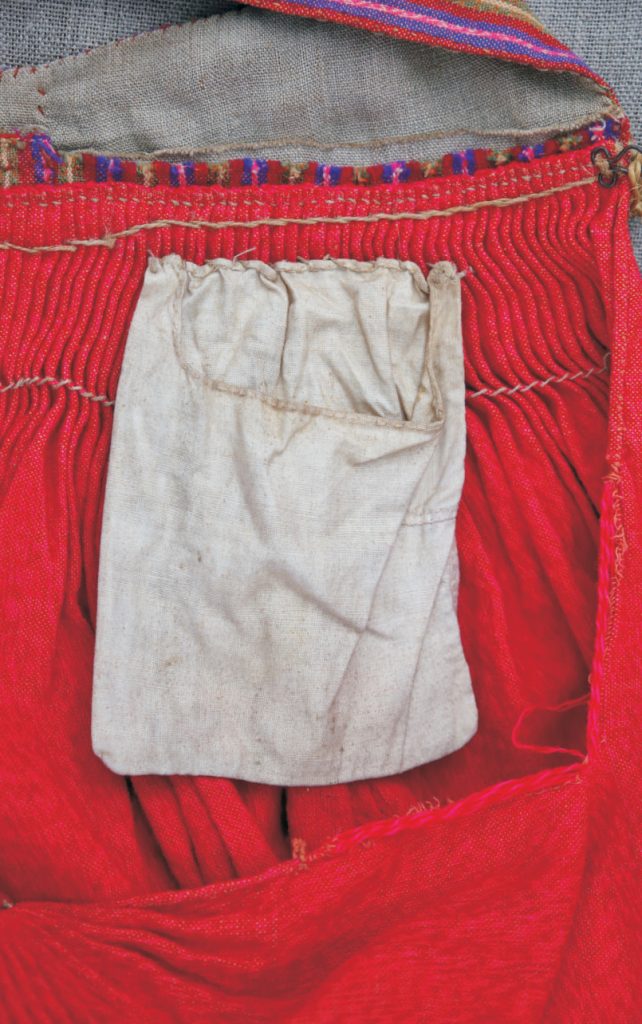
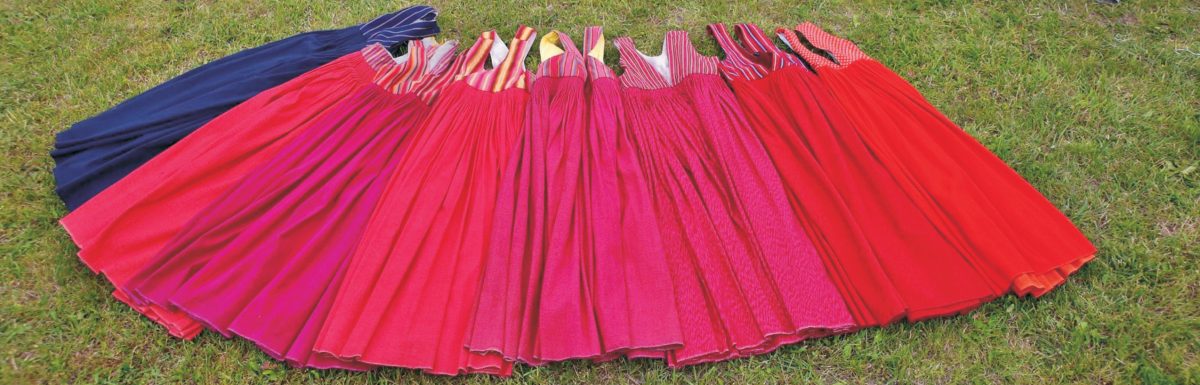
Brunčus gatavoja no koši sarkanas, sīkās lāsītēs austas drānas; vecākie brunči nebija sarkani, bet violeti-sarkanā krāsā.  Brunči ir krietni gari, tie sākas labu tiesu virs jostas vietas un izbeidzas nedaudz virs kāju potītēm.  Augšgalā tie salikti sīkās krokās, lai iegūtu pēc iespējas lielu kuplumu.  Lai viņi vieglāk būtu valkājami, tiem piešuj augšējo, jeb ņiebura daļu.  Brunču sajošanai lieto vai nu austas jostas vai sleņģenes. 

Tā kā Latvijas teritorija atrodas Eiropas nomalē, jaunais šeit ir nonācis ar zināmu laika nobīdi, t.i., kādus desmit gadus vēlāk. Tomēr Alsungas iedzīvotāji jau kopš 17. gadsimta ir bijuši cieši saistīti ar Eiropas kultūras norisēm. Arī 1812. gada kara tiešās sekas Kurzemē atstāja vistiešāko ietekmi uz suitu apģērbu. Tādējādi suitu bija ļoti laikmetīgi ģērbti, cik nu to atļāva viņu materiālās iespējas, tradīciju stiprums un temperaments. Jau pieminētais suitu sievu brunču paaugstinātais viduklis sakrīt ar ampīra stila modi, taču konstrukcijai ar brunčiem klāt piešūtām lencēm, domājams, ir senākas Ziemeļu tautu kultūras saknes. Arī turpat kaimiņos esošo lībiešu senāko formu brunči tika saturēti ar lencēm, nevis ar jostām.

Mūsdienās daudz diskutēts, cik sena ir Suitu novada oranžā (sarkanā) brunču krāsa. Diemžēl daudz materiālo liecību no senākiem laikiem nav saglabājies, bet ir zināmi daži interesanti fakti, pēc kuriem ir iespējams izteikt dažādus pieņēmumus. Piemēram, A. Spekkes monogrāfijā „Latvieši un Livonija 16. gs.” lasām šādu citātu (Laurentius Müller, Septentrionasche Historien … 1595, S. 33-34): „…(nevācu, t.i., latviešu tautas) sievietēm arī asā ziemā ir tikai viens gabals zilas vai sarkanas drēbes, ko tās apņem sev apkārt: tas ir viņu apģērbs.” Diemžēl te īsti nevar saprast, vai runa ir par villainēm vai apliekamiem brunčiem, taču ir skaidrs, ka nosacīti „sarkanā krāsa” (jo mēs nezinām tās nianses un krāsošanas veidu) apģērbā Latvijas teritorijā 16. gadsimtā ir bijusi pazīstama.

Tāpat, ņemot vērā hercoga Jēkaba koloniālo politiku 17. gs. otrajā pusē, ir iespējams, ka sarkanā krāsa bija diezgan izplatīta jau šajā laikā. „Pēc koloniju iegūšanas hercoga kuģi ieveda ļoti daudz krāskoku no Tobago salas un no Gambijas piekrastes, kā pernambukkokus, sarkankokus; tāpat indigo krāsu. Emburgā un Mežotnē bija pa vienai indigo krāsotavai. Tā kā zviedru un dāņu kolonijas atradās privātās rokās, viņas arī neveda savām zemēm tik daudz ražojumu, kā Kurzemes kolonijas. Tanī ziņā Tobago un Gambija apgādāja ar savām krāsvielām caur hercoga iestādēm gandrīz visas Baltijas valstis. Ar to saprotams, ka zviedru lieltirgoņi arī no savas puses pamudināja savu karali 1658. gadā iebrukt Kurzemē. Krāsotavās ne tikai krāsoja, bet arī izgatavoja visādas krāsas, gan pulvera veidā, gan eļļas krāsas veidā. Krāsotavas pastāvēja līdz 18.gs. sākumam, tikai ļoti sašaurinātā veidā, un izbeidzās vispārējā II Ziemeļu kara juceklī.

Jādomā, ka minētajās Kurzemes hercogistes manufaktūrās pagatavotās tekstiliju krāsvielas fasēja mazākos iepakojumos un tālāk pārdeva dažādās Eiropas zemēs. Grūti pateikt, vai vienkāršajai tautai bija tik lielas iespējas tikt pie atvestās sarkanās krāsas (kas, domājams, nebija tik lēta) tādos apjomos, lai varētu nokrāsot lielāku daudzumu dzijas brunču aušanai. Turklāt arī jāšaubās, vai hercogs Jēkabs par velti dāļāja zemniekiem krāsvielu, par kuru Eiropā varēja gūt labus ienākumus.

Lielāka ticamība piemīt Matīsa Siliņa vērojumiem par Alsungas novada tērpa krāsas maiņu pēc 1870. gada, jo viņam pašam vēl bija iespēja tikties un runāt ar attiecīgā laika aculieciniekiem: „Alšvangas apvidū, kas pieskaitāms pie visvairāk konservatīvajiem Latvijā, tautiskās rotas un mākslas garša bijusi pilnā mērā cienīta un kopta līdz apmēram 1870. g., tad pasācies paguruma laikmets līdz apmēram 1900. g., līdz beidzot pāris gadu desmitos tautiskās garšas laikmets palicis kaut cik izjusts vēl vienīgi vecās paaudzes starpā. Jaunākā paaudze jau pilnīgi pagriezusies pie eiropeiskām, fabriku rūpnieciskām modēm.

Tautiskā garšā lūzums ap 1870. g. noticis sevišķi vispirms uzvalku un drēbju krāsas ziņā. Bija līdz tam laikam iecienīta drēbju krāsa „zila” vai brūnīgi „violeta”, piem., pie sieviešu svārkiem „rindukiem” (t.i., citurienē „lindrokiem”, „brunčiem”), tad tās vietā, it kā nejaušs untums, iestājusies spilgti „sarkanā” krāsa. Sevišķi viss sievieša tautiskais uzvalks no Alšvangas apvidum senēji raksturīgās tumšas krāsas izteiksmes kļuvis piepeši spilgti sarkans: sarkani svārki, sarkans braucīts „vamzis”, sarkana (sarkan-dzeltēni rūtota) villaine „seģene” jeb „sarkanā drēbe”, galvā sarkans zīda lakats, zem kura vēl jaunavai galvā mirdz dzeltenā metāla „spangu” vaiņags.”

Kāpēc Matīsam Siliņam ir bijusi iespēja nosaukt tik precīzu gadu, kurā mainījās alsundznieču apģērba krāsa? Tas ir cieši saistīts ar ķīmisko krāsvielu ienākšanu Latvijā 19. gs. 60. – 70. gados, kad paralēli krāsošanai ar augu krāsvielām bija iespēja ar jaunām ķīmiskām krāsvielām dabūt daudz košākus un efektīgākus sarkanos, rozā, melnos, violetos, zaļos un citus toņus. Jāsaka gan, ka M. Siliņa minētais senākais Alsungas melnais un violetais tērps nemaz nav daudz senāks par sarkani oranžo tērpu, jo ķīmiskās krāsvielas ienāca Latvijā vienlaikus. Vienīgais loģiskais skaidrojums tam, ka melnais un violetais tērps ir senāks par sarkano tērpu, var būt tas, ka tūlīt pāriet uz sarkano traucēja gadsimtiem senā tradīcija – mēļās (t.i., zilās) krāsas lietošana svētku drānās, bet, tā kā melnais un patumšais violetais tonis ir diezgan tuvs tumši zilajam, tautai tas psiholoģiski bija pieņemams bez iebildumiem. Tas atbilda arī tā laika modes izpratnei, jo īpaši godiem kā sievietes, tā vīrieši darināja melnu vai ļoti tumšas krāsas apģērbu. Kā redzams, arī Alsunga nebija izņēmums. Interesanti, ka piešūtais ņieburs (lenču daļa) 19. gs. beigās tika austs vienkārtņa tehnikā un tais pašās krāsās, kā vienkrāsainie brunči – oranžām, tumši violetām un zilām šaurām svītriņām.

20.gadsimtā Alsungas tērpa rekonstrukcijās tradicionāli iezīmējas oranžie brunči ar melno jaku – vamzi, kaut gan pie oranžajiem brunčiem piederētos tādas pašas krāsas vamzis.

19.gs. 60. – 70. gados visā Latvijā sākās aktīvs ķīmisko tekstiliju krāsas lietojuma laiks. Vidzemē sāka aust košākus strīpainos un rūtainos brunčus, košus (sarkanrūtainus) plecu lakatus, modē nāca šatieru segas, jo dzijas varēja nokrāsot visdažādākajās krāsās. Kurzemnieces, laikam gribēdamas vairāk padižoties, spilgti košas krāsas ieauda savos rozīšu deķos, adīja koši rakstainus cimdus un zeķes, kuru ornamentus nereti noskatīja tā laika rokdarbu izdevumos (ornamentu grāmatās), kā arī mainīja savu brunču krāsu. Pēc M. Siliņa domām, sarkanā krāsa Alsungā ir it kā pārņemta no Nīcas: „Paraugs šim krāsu lūzumam neapšaubāmi gan padabūts no ne visai attālas kursiskās Nīcas, dienvidos no Liepājas, kur krāsa tā pati sarkanā, tikai te tā savienota ar košiem tautiskiem dažādas krāsas rakstiem, kādu Alšvangā trūkst, kauču gan senākā tumšās krāsas izteiksmē košu rakstu te netrūkst arī villainēm, vamžiem u.t.v. Bet arī Nīcā sarkanā drēbes krāsa nav tālu senēja. Vecāki ļaudis vēl zina pateikt, ka tā nākusi modē no ārienes, caur viena kāda sveša ienācēja sieviešu iespaidu, bet, redzams, tas noticis gan mazākais pāris cilvēku augumu agrāk, nekā Alšvangā, kamdēļ drēbes krāsas izteiksme pilnīgi paspējusi saaugt kopā ar tautisko senraksta garšu, kas Alšvangā nav vairs paspējis notikt, jo notikums novēlojies.”

Acīm redzami, ka 19. gadsimta otrās puses pārmaiņu laiks būtiski skāra arī Alsungas novadu, bet tradīcija nēsāt vienkrāsainu apģērbu Alsungā, lai arī tas būtu jebkādā krāsā, saglabājās līdz pat 20. gadsimtam. 

Brunču krāsu gammā ietilpst oranžie, sarkanie, rozā un violetie toņi.
Senāk valkāti arī tumši zilas krāsas jeb tā sauktie mēļie brunči, kas vēl 19.gs. tika nēsāti pie līgavas tērpa.

Šuvumā lidruki sastāv no divām daļām – virspuses un apakšpuses.  Pēdējā sniedzas neparasti augstu – līdz apmēram krūšu jeb tā dēvētajai sirds bedrītei, kur tad tā piešūta pie virspuses, kas vienmēr ir citādas krāsas, pat strīpota stāvām, slaidām strīpām, guļu uz pleciem un tā satur apakšpusi uz augšu.  Apakšpuse parasti plisēta, tas ir salikta sīkās krokās jeb “buntīs” (buntota).  Lai krokas nepajūk, tad gar viduci apjožas jostu buntīm pāri, senāk tā dēvēto “sleņģeni”, kura bija metāla, vēlāk austo rakstīto prievītes jostu.  Bet virspuse pie gadījuma varēja arī nebūt.  Tādā gadījumā lindruki turējās plecos uzkabināti aiz metāla ķēdēm, krusteniski pār krūtīm. 

Categories
The Suiti traditional attire

Suiti skirts

Skirts (lindruki, lindūki)

Lindruki were casual clothing the Suiti women wore straight over their shirts. Regular skirts were made from wool or woolen mixture, while in some cases they were made from flaxen for working purposes. The fabric used in Suiti lindruki is monotone, without any stripes or checks, except for some texture of short intermittent lines or tree needles.

The skirts were made from bright red cloth woven in form of tiny droplets. The earlier version of skirts was less red, but rather purple-reddish. The skirts are longish and start from some inches above the waistline and go all the way down, till the area somewhat above the ankles. The upper part is gathered in tiny pleats to make the skirt as full, as possible. For practical reasons, a bodice ņieburs was stitched to the skirt. The skirts were buckled with woven belts or metal belts sleņģenes.

The territory of Latvia being at the remote part of Europe, the modern trends were introduced some time, some ten years later than elsewhere. Despite this, since the 17th century, the Alsunga residents had a close relation to the processes of European culture. The same goes to the war in 1812, which caused direct consequences in Kurzeme, as a result making a great impact on the Suiti wardrobe. Thus, the Suiti people dressed up-to-date, as far as they could allow themselves in terms of wealth, conservatism and type of character. The aforesaid high-waist skirt was trend of the Empire style, though the structure of straps stitched to the skirts traces back to more ancient period, probably from some cultural roots of the Northern peoples. Similarly, the ancient forms of skirts were fixed by straps, not belts, also by the Livs, the neighbouring people.

There have been a lot of discussions nowadays about the possible age of the orange (red) shade typical for the Suiti skirts. Although there is only little material evidence from the ancient times left, there is some interesting data available, based on which various speculations can be made. For instance, a quote (Laurentius Müller, “Septentrionasche Historien” … 1595, S. 33-34) from monograph by A. Spekke “Latvieši un Livonija 16. gs.” says: “…even in winter time (non-German, i.e., of Latvian origin) females wear just one piece of blue or red cloth, wrapped around: that is their clothing.” Unfortunately, it is unclear, whether he speaks of villaines or wrapped-around skirts, nevertheless, it proves that the “red colour” (while we do not know its shades, nor the process of dying) did exist in the clothing worn by the people of 16th century in the territory of Latvia.

Also, due to the colonial policy by Duke Jacob in the second half of the 17th century, the red colour may have already been popular during that period. “Having seized the colonies, the Duke’s ships brought abundance of wood containing colorants from Tobago Island and the coast of Gambia, like Pernambuco wood, mahogany, also the indigo colour. Emburga and Mežotne each had an indigo dye-house. In contrast, the Swedish and Danish colonies were private proprieties, so they did not bring as much productions to their respective countries. Thus, through the Duke’s instances Tobago and Gambia provided colorant for every Baltic country. This resulted in the Swedish great merchants inducing their king to conquer Kurzeme in 1658. The dye-houses were used not just for dying, but also for making different colorants in form of powder and oil paints. The dye-houses operated until early 18th century, though they narrowed down and were shut down in the chaos of the II Northern war.

The textile colorants prepared in the said Kurzeme manufactories must have been packed in small portions to sell at various European countries. One cannot tell, whether the common people were wealthy enough to get hold of the imported red colorants (that must have been quite costly) in such great amount to dye a sufficient stack of yarn for skirt weaving. Not to mention a probability Duke Jacob would just give away the colorants to his peasants, when such materials could return a good profit in Europe.

The observations by Matīss Siliņš seem more plausible in respect to the colour change of the clothing the residents Alsunga area wore after 1870, since he was able to meet and talk to the contemporaries of the period. “Until 1870, in Alšvanga, one of the most conservative areas in Latvia, there was a lot of respect and care shown to folksy adornments and artistic value. That was followed by a period of weariness, until 1900, thus in few decades the period of national taste faded away, having left some affection solely in the eyes of the older generation. The younger generation has totally changed their ways towards the European, industrially produced fashions.

The first significant change the folksy taste went through was the colour of costumes and clothing. Before, the favourites were “blue” or brownish “purple”, for example, in female skirts rinduki (also known as lindroki or brunči in other places), whereas now the “red” colour has emerged, just like a random whim. Especially the female national attire in the Alšvanga area has suddenly turned from the traditionally ancient dark red into bright red: red skirts, red sweater vamzis, red (red-yellow checked) villaine or seģene or sarkanā drēbe, red silk shawl on the maiden’s head with a spangu vainags crown of yellow metal shining from underneath.

How was it possible for Matīss Siliņš to know the precise year, when the colour shade changed in the clothing by the Alsunga ladies? That was due to introduction of chemical colorants in Latvia that took place in the 1860-70’s, when besides dying textiles with herbal colorants, there emerged the opportunity to use new chemical colorants, thus achieving much brighter and intensive shades of red, pink, black, purple, green and other. 60. It must be said, the oldest attires in black and purple referred to by M. Siliņš, could not possibly be more ancient than the red-orange attire, since all the chemical colorants were introduced to Latvia at the same time. Most probably the earlier attires were black and purple simply because for several centuries the customary colour for festive attires was blue and the black and darkish purple shades seemed closer to dark blue, so, in terms of psychological meaning, people were more eager to adopt these instead of jumping straight to the red shades. It was also in line with the sense of fashion at that period, when both man and women made festive attires in black or very dark shades. Apparently, Alsunga was no exception. In late 19th century, interestingly enough, the stitched on bodice (the strap part) was woven as plain cloth in the same colours the monochrome skirt was – with orange, dark purple or blue thin stripes.

.

In 1860-70’s, a period of active usage of chemical colorants of textiles began in Latvia. In Vidzeme, people started weaving their striped and checked skirts in brighter shades, as well as shoulder shawls (red checked), and šatieris blankets (with gradient patterns), since yarn could be dyed in various shades. The Kurzeme ladies, perhaps for showing off, weaved bright colours in their rose-patterned blankets (rozīšu segas), knitted gloves and socks with bright ornaments, samples of which they looked up in the handicraft publications (ornament books) of that period, and changed the skirt colour. M. Siliņš speculates the red colour in Alsunga may have been adopted from Nīca: “The change of colours must be copied from Nīca, in Kurzeme, not so far away from here, situated to South of Liepāja, where they have the same red colour, though complemented with bright ethnic patterns in different colours, which is not the case in Alsunga, although earlier, when using the blue shade, there were bright ornaments abundantly used also in Alsunga, namely, in villaines, vamzis jacket and so on. But, the red colour in Nīca clothing is not so ancient either. Elderly people claim it was brought in by some outlandish impressions of female clothing style, though it evidently has taken place no more than a few generations before, in comparison to Alšvanga. This is why the Nīca image of red attire had managed to combine with the style of ethnic ancient patterns completely, whereas in Alsunga the new colour came too late and such unification was missed.”

No doubt, the winds of change of the second half of the 19th century affected the Alsunga area greatly, however the tradition to wear monochrome clothing, whatever the colour it was, remained alive until the 20th century.

The shades of skirt colour range from orange and red to pink and purple ones.
In former times dark blue skirts, so called mēļie brunči, were worn, too. These were also used as a part of the bride’s dress in the 19th century.

The sewing of lindruki consists of two parts – the upper and the lower part. The latter goes rather high – all the way up to the middle chest, where it is attached to the upper part, always in different colour, even striped with vertical thin lines. It hangs by the shoulders and holds the lower part upwards. The lower part is usually gathered in tiny pleats called buntis. To contain the pleats in place, the waist is buckled with so called sleņģene belt from metal or, in later periods, a prievīte (patterned belt). There were cases, when lindruki had no upper part. Instead they were hanging by metal chains that were crossed over the chest part.